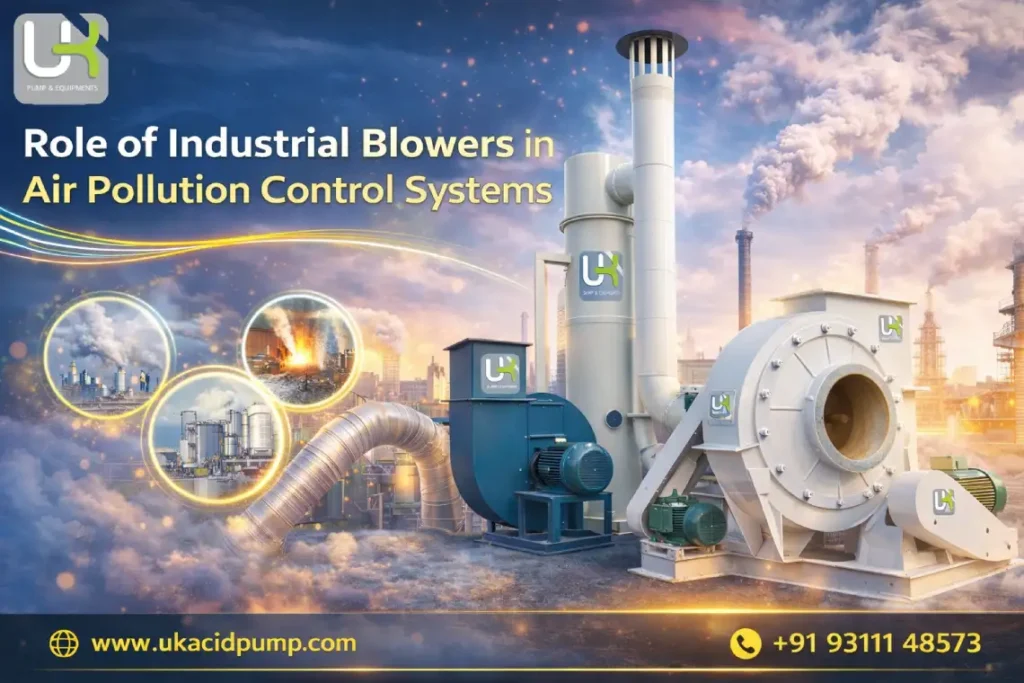
Air pollution poses a serious threat to our environment. Industries must adopt effective control measures. Industrial Blowers Manufacturers in Delhi like UK PUMP & EQUIPMENTS provide reliable solutions. These blowers form the backbone of pollution control systems. They capture harmful emissions before release. They also transport contaminated air through filtration units. Without industrial blowers, clean air standards would fail.
How Industrial Blowers Work in Pollution Control
Industrial blowers create air movement. They draw in polluted air from factories. Then they push this air through treatment devices. These devices include scrubbers, filters, and cyclones. The blowers maintain steady airflow. This ensures all emissions get processed. Centrifugal Blower Manufacturers design units for high efficiency. Their products handle large air volumes. They also resist corrosive gases and dust particles.
The Basic Operating Principle
A motor rotates the blower’s impeller. This rotation creates centrifugal force. Air enters through the inlet. Then it accelerates outward. The volute casing converts speed into pressure. Finally, clean air exits through the outlet. This simple process repeats continuously. Each cycle removes more pollutants.
Airflow Dynamics Explained
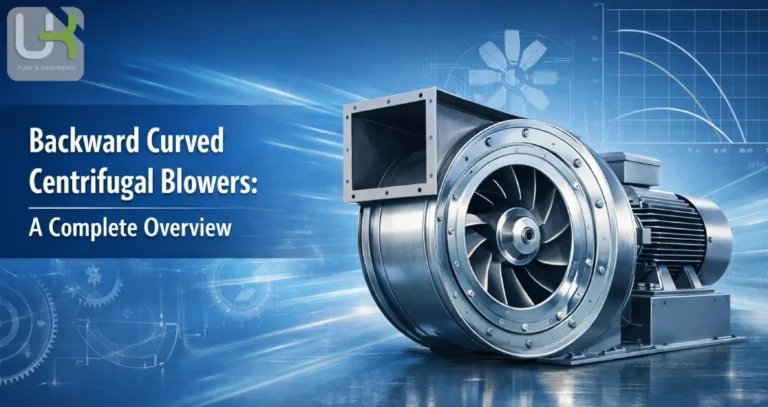
The impeller design determines performance. Forward curved blades move air at low pressure. Backward curved blades achieve higher pressure. Straight radial blades handle heavy dust loads. Each type serves specific pollution applications. Backward Curved Centrifugal Blowers excel in fine dust collection. They prevent material buildup on blades. This maintains balanced operation over time.
Key Applications in Air Pollution Control Systems
Industrial blowers serve many pollution control devices. They support baghouses, electrostatic precipitators, and wet scrubbers. Each application demands specific pressure and flow rates. Therefore, choosing the right blower matters greatly.
Baghouse Dust Collection Systems
Baghouses use fabric filters to trap particles. Blowers pull dusty air through these bags. Clean air then exits to the atmosphere. Periodically, reverse air pulses clean the bags. High Pressure Centrifugal Blowers provide this cleaning force. They generate 3000 to 15000 Pa of pressure. This pressure dislodges accumulated dust effectively.
Pulse Jet Cleaning Mechanism
Compressed air jets release in short bursts. A diaphragm valve controls each jet. The blower maintains system negative pressure. Consequently, dust falls into hoppers below. This cycle repeats every few minutes. Continuous operation keeps emissions low.
Wet Scrubber Systems
Wet Scrubbers use liquid to capture pollutants. Blowers push contaminated gas through spray chambers. Water droplets collide with dust particles. Then the particles fall out of the airstream. Industrial Blowers in Ghaziabad often serve nearby chemical plants. These facilities need corrosion-resistant blowers. Special coatings protect against acidic gases.
Venturi Scrubber Integration
Venturi Scrubbers create high velocity zones. The blower accelerates air through a narrow throat. Liquid injected at this point atomizes completely. Fine particles get trapped in droplets. A cyclonic separator removes the wet mixture. Finally, clean gas exits the system. This method captures submicron particles efficiently.
Electrostatic Precipitators (ESP)
ESPs use electrical charges to collect dust. First, a corona discharge ionizes particles. Then charged plates attract these particles. Blowers maintain steady gas flow through the ESP. Even airflow ensures maximum collection efficiency. Centrifugal Blower Manufacturers design units for high temperature service. Some ESPs operate at 200°C or more.
Rapping System Support
Periodic rapping dislodges collected dust. Blowers transport this dust to storage bins. Negative pressure keeps dust from escaping. Consequently, emissions remain within legal limits. Power plants rely heavily on this technology.
Selecting the Right Blower for Pollution Control
Proper selection requires careful analysis. Consider airflow volume and static pressure. Also examine gas temperature and composition. Dust characteristics affect blower choice too. Abrasive particles demand heavy-duty construction.
Critical Selection Parameters
First, calculate required airflow in cubic meters per hour. Second, determine system resistance in Pascals. Third, identify gas properties like density and humidity. Fourth, assess particulate loading and size. Finally, check operating temperature range. Each parameter narrows down suitable blower types.
Material of Construction
Mild steel works for clean air applications. Stainless steel resists corrosion and heat. Hardox or AR plate handles abrasive dust. Coated blowers survive chemical fumes. High Pressure Centrifugal Blowers often use cast iron. This material provides strength and wear resistance. For acidic gases, polypropylene or FRP works better.
Efficiency Considerations
Energy costs represent major operational expenses. Therefore, choose high-efficiency blowers. Backward curved designs achieve 85% static efficiency. Forward curved units only reach 65%. The difference saves thousands yearly. Backward Curved Centrifugal Blowers also maintain efficiency over time. Their self-cleaning action prevents performance loss.
Variable Frequency Drives
VFDs adjust blower speed to match demand. This reduces energy use during partial loads. Pollution control systems often run below capacity. A VFD can cut power consumption by 40%. Many regulations now require VFDs on large blowers. Initial investment pays back within two years.
Maintenance Practices for Reliable Operation
Regular maintenance prevents unexpected failures. It also ensures consistent pollution control. Industrial Blowers Manufacturers in Delhi provide service guidelines. Following these extends equipment life.
Routine Inspection Checklist
Check bearing temperatures weekly. Listen for unusual vibrations or noises. Inspect belt tension and alignment. Verify inlet filters are clean. Measure motor current draw. Record pressure and flow readings. Any deviation signals potential issues.
Bearing Lubrication Schedule
Grease bearings every 2000 operating hours. Use high-temperature lithium grease. Do not over-grease, as this causes overheating. Oil-lubricated bearings need monthly level checks. Change oil every six months. Centrifugal Blower Manufacturers specify exact lubricants. Follow their recommendations carefully.
Impeller Cleaning Methods
Dust accumulation unbalances the impeller. This causes vibration and premature failure. For dry dust, use compressed air cleaning. For sticky materials, employ steam or solvent washing. Backward Curved Centrifugal Blowers resist buildup naturally. However, annual inspection remains necessary.
Balancing After Repair
After any impeller repair, rebalance the rotor. Dynamic balancing machines detect unbalance. Add or remove weight at specific points. Poor balancing destroys bearings quickly. Hire trained technicians for this task.
Regional Importance of Quality Manufacturing
India’s industrial growth demands reliable pollution control. Northern states host many factories and power plants. Industrial Blowers in Ghaziabad serve this industrial belt. Proximity reduces delivery times and costs. Local manufacturers understand regional pollution challenges.
Why Delhi NCR Needs Superior Blowers
The National Capital Region faces severe air pollution. Strict emission norms apply to all industries. Poor blower performance leads to non-compliance. Fines and shutdowns follow quickly. Therefore, choose trusted Industrial Blowers Manufacturers in Delhi. They provide certified equipment with local support.
UK PUMP & EQUIPMENTS’ Commitment
Our company delivers robust centrifugal blowers. We serve pan India from our manufacturing base. Each blower undergoes rigorous performance testing. We offer customized solutions for pollution control. Our High Pressure Centrifugal Blowers handle toughest applications. Contact us for a site assessment.
Future Trends in Blower Technology
Pollution control standards keep tightening. Blower technology must advance accordingly. Several trends shape future developments. Energy efficiency remains the top priority. Noise reduction also gains importance. Smart monitoring systems enable predictive maintenance.
High-Speed Direct Drive Systems
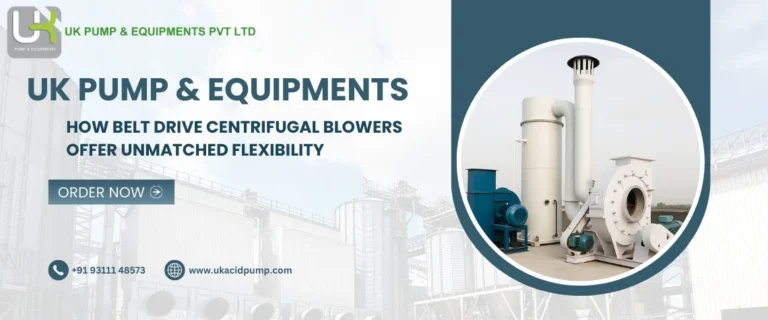
Traditional belt drives waste energy. New direct drive systems use permanent magnet motors. These achieve 95% efficiency. They also run quieter and require less maintenance. Centrifugal Blower Manufacturers now offer integrated drives. Speed control becomes seamless and precise.
Magnetic Bearing Technology
Magnetic bearings eliminate physical contact. Therefore, no lubrication or friction exists. These blowers run at extremely high speeds. They also operate without vibration. Initial costs remain high. However, energy savings justify the investment. Clean rooms and semiconductor fabs prefer this technology.
Internet of Things Integration
Smart blowers report their own health. Sensors track temperature, vibration, and power use. Data transmits to cloud platforms. Algorithms predict failures before they occur. Maintenance teams receive early warnings. This prevents unplanned downtime. Industrial Blowers Manufacturers in Delhi now offer IoT options.
Remote Performance Optimization
Technicians adjust parameters from anywhere. They fine-tune blower operation remotely. This ensures optimal pollution capture at all times. Real-time efficiency reports identify savings opportunities. Consequently, plants maintain compliance with less effort.
Conclusion
Industrial blowers play an indispensable role. They enable effective air pollution control systems. Without them, capturing emissions becomes impossible. Industrial Blowers Manufacturers in Delhi like UK PUMP & EQUIPMENTS deliver quality solutions. Our Centrifugal Blower Manufacturers team designs for longevity. We offer Backward Curved Centrifugal Blowers for self-cleaning action. Our High Pressure Centrifugal Blowers power demanding applications. Industrial Blowers in Ghaziabad serve regional industries promptly. Choose reliable equipment for cleaner air. Invest in proper maintenance for consistent performance. Together, we can reduce industrial pollution significantly. Contact UK PUMP & EQUIPMENTS today. Let us help you achieve your environmental goals.