
High Pressure Centrifugal Blowers
Modern industry faces two persistent challenges: efficiently drying products and effectively extracting hazardous fumes. These processes are critical for quality, safety, and environmental compliance. Consequently, the need for powerful, reliable air-moving technology is paramount. High Pressure Centrifugal Blowers provide the essential force for these demanding applications. These systems generate the substantial static pressure required to overcome resistance in complex networks. Therefore, they are the unseen powerhouse driving productivity and clean air across countless manufacturing sectors.
The Critical Role of Air Movement in Industry
Air is a fundamental tool in industrial processes. It carries heat for drying, conveys materials through pipelines, and captures contaminants at their source. However, moving air effectively against significant opposition requires specialized equipment. Ordinary fans simply cannot provide the necessary force. This is precisely where advanced blower technology becomes indispensable. Furthermore, selecting the correct blower directly impacts energy consumption and operational success.
Understanding High Pressure Centrifugal Blowers
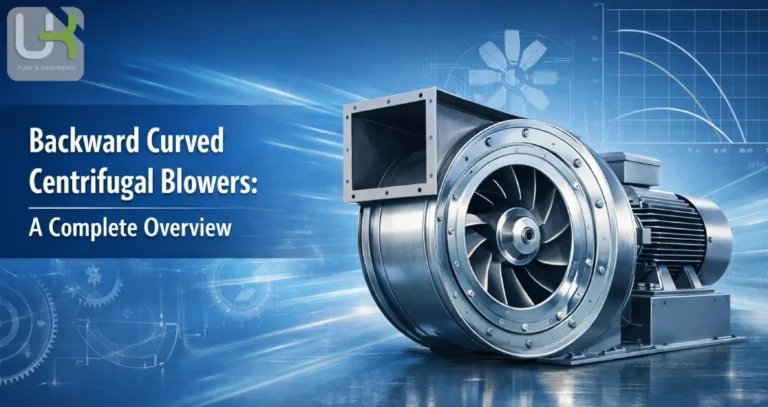
High Pressure Centrifugal Blowers are dynamic machines designed for tough duties. They operate on a simple yet powerful principle. A rotating impeller, or wheel, draws air into the center of the housing. Centrifugal force then accelerates this air outward radially. Finally, the air discharges through a volute or diffuser section. This action converts kinetic energy into usable static pressure. As a result, these blowers can push air through dense filter media, long duct runs, and intricate process equipment.
Key Components and Operational Advantages
These blower systems comprise several vital parts. The impeller design, motor, housing, and drive system all contribute to performance. Their design offers distinct benefits for industrial settings. Notably, they deliver a non-pulsating, steady flow of air. This stability is crucial for consistent process results. Additionally, they handle variable system pressures efficiently. This means they maintain airflow even as filters load up with dust. Consequently, process reliability improves significantly.
Why They Outperform Other Technologies
Compared to positive displacement blowers, centrifugal models often operate more quietly. They also generally require less maintenance over their lifespan. Furthermore, they excel in applications requiring clean, oil-free air. This makes them ideal for food processing or pharmaceutical drying. Their versatility and durability explain their widespread adoption. Ultimately, they offer a superior balance of power, efficiency, and control.
Core Application 1: Powering Industrial Drying Processes
Drying is a ubiquitous step in manufacturing. It removes moisture from coatings, raw materials, and finished goods. High Pressure Centrifugal Blowers are the engine behind many efficient drying systems. They supply the high-velocity air streams that accelerate evaporation. Moreover, they often work in tandem with heating elements. This combination rapidly reduces product moisture content. Therefore, production lines maintain speed and quality standards.
Conveying and Flash Drying Systems
In many plants, materials move pneumatically through ducts. High Pressure Centrifugal Blowers create the vacuum or pressure needed for this conveyance. Simultaneously, they facilitate flash drying. Hot air instantly vaporizes moisture from powdered or granular products. This application is common in food, chemical, and mineral industries. The blower’s ability to handle heated air and entrained particles is key. As a result, it enables a continuous, efficient processing loop.
Web and Surface Drying Operations
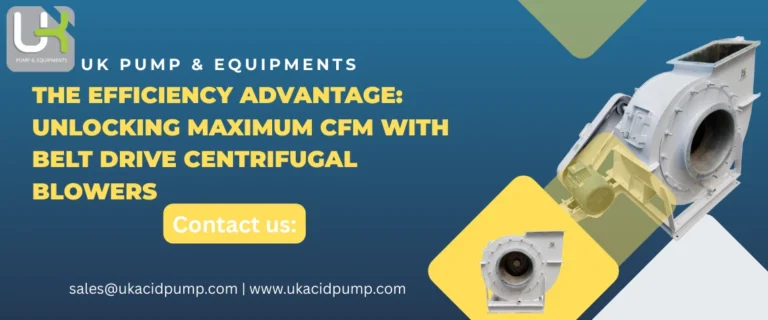
For continuous sheets of material, like textiles or paper, uniform drying is vital. Arrayed nozzles blow hot air across the product surface. A robust blower system ensures consistent pressure at every nozzle. This consistency prevents uneven drying or defects. Specifically, Belt Drive Centrifugal Blowers offer excellent control for such setups. Operators can adjust the impeller speed by changing pulley ratios. This flexibility fine-tunes airflow for different materials without sacrificing pressure.
Core Application 2: Driving Effective Fume Extraction and Scrubber Systems
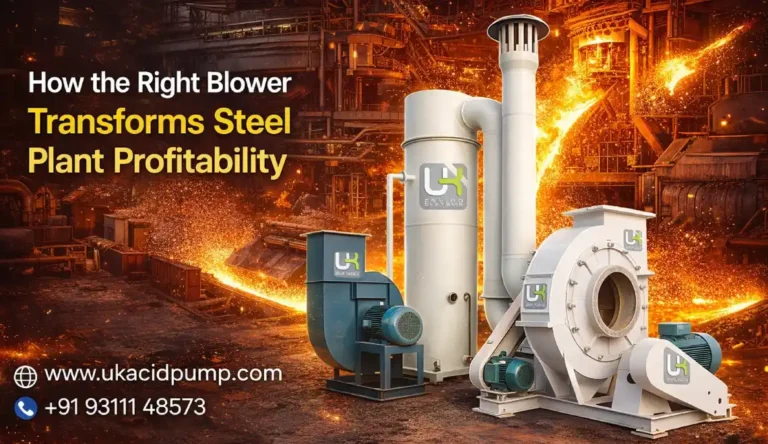
Industrial processes generate harmful airborne contaminants. Capturing and treating these fumes is a legal and ethical imperative. An extraction system is only as strong as its air mover. Centrifugal Blowers for Industrial Scrubbers provide the motivating force. They pull contaminated air into hoods and ductwork. Then, they push it through filtration or scrubbing stages. Their high-pressure capability is essential for overcoming the resistance of scrubber packing and mist eliminators.
The Heart of the Pollution Control System
In a wet scrubber, polluted gas streams through a tower. There, it contacts a liquid reagent that neutralizes contaminants. The system pressure drop across packing media can be substantial. Only a dedicated High Pressure Centrifugal Blower can maintain the required air volume. It ensures proper contact time between fumes and scrubbing liquid. Consequently, removal efficiency meets regulatory standards like those from the EPA. Without this critical component, the entire pollution control system would fail.
Ensuring Capture at the Source
Effective fume control begins with capture. High-velocity capture hoods require significant static pressure at the duct inlet. Centrifugal Blowers and Belt Drive Blowers create the necessary draft. They ensure fumes move away from workers and into treatment equipment. This application demands reliability above all. A blower failure immediately exposes personnel to hazards. Therefore, industrial blowers are built for continuous, trouble-free operation in corrosive environments.
Choosing the Right Blower: Belt Drive vs. Direct Drive
A critical specification choice is the drive mechanism. This decision influences control, maintenance, and efficiency. Understanding the difference between Belt Drive Centrifugal Blowers and direct drive models is crucial. Each configuration offers distinct advantages for specific scenarios. The correct choice optimizes performance and lifetime cost.
Advantages of Belt Drive Systems
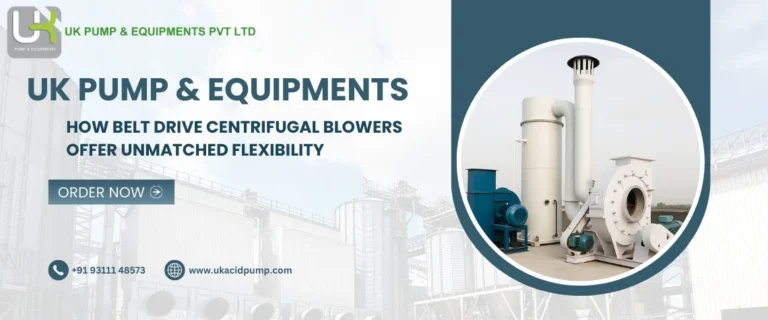
Belt Drive Blowers offer exceptional operational flexibility. They allow engineers to change the blower’s operating speed without altering the motor. Simply switching pulley sizes adjusts the impeller RPM. This provides a cost-effective way to fine-tune system performance. Furthermore, the belts can act as a safety buffer. They may slip or break under a sudden jam, protecting the motor and impeller from damage. Maintenance is also straightforward, involving routine belt and bearing checks.
Advantages of Direct Drive Systems
Direct drive models connect the motor shaft directly to the impeller. This design eliminates energy losses from belt friction and slippage. Therefore, it often provides higher mechanical efficiency. The system is also more compact and requires less maintenance. There are no belts to tension or replace. However, speed control requires a variable frequency drive (VFD). This makes initial tuning precise but potentially more complex than a pulley change.
Key Selection Criteria for Your Industrial Blower System
Selecting a blower requires careful analysis of your process. An undersized blower will not perform its duty. Conversely, an oversized blower wastes energy and money. Consider these essential parameters alongside your primary keyword focus on High Pressure Centrifugal Blowers.
Calculating Required Airflow and Pressure
First, determine the necessary volumetric flow rate (CFM or m³/hr). This is based on your drying chamber size or fume capture hood design. Second, calculate the total system static pressure (SP). This includes resistance from ducts, filters, drying nozzles, and scrubber packing. The blower must generate more pressure than this total system resistance. A professional engineer can ensure these calculations are accurate. This step is fundamental to achieving desired results.
Material Compatibility and Construction
The airstream’s contents dictate construction materials. For hot, dry air, standard steel may suffice. However, corrosive fumes from chemical processes demand special materials. Stainless steel or fiberglass-reinforced plastic (FRP) housings are common for Centrifugal Blowers for Industrial Scrubbers. The impeller may also be coated or made from exotic alloys. Always specify the chemical composition, temperature, and moisture content of the air. This protects your investment from premature failure.
Efficiency and Total Cost of Ownership
Focus on the total cost of ownership, not just the purchase price. An energy-efficient blower saves substantial electricity over its life. Look for designs with optimized impeller aerodynamics. Also, consider maintenance needs and part availability. A reliable Belt Drive Centrifugal Blower from a reputable supplier often provides the best long-term value. It combines performance with serviceable components and adaptable operation.
Maximizing Performance and Ensuring Long Service Life
Proper installation and maintenance safeguard your blower system. They ensure it delivers peak performance for years. Neglect leads to inefficiency, unexpected downtime, and costly repairs. Follow these best practices to protect your critical air-moving asset.
Professional Installation and System Balancing
Install the blower on a solid, level foundation. This prevents vibration and misalignment. Ensure inlet and outlet connections have flexible joints. These joints isolate blower vibration from the ductwork. Most importantly, the entire system should be professionally balanced after installation. An unbalanced impeller causes destructive vibration and noise. Therefore, proper setup is a non-negotiable first step.
Implementing a Proactive Maintenance Routine
Routine maintenance is the key to longevity. For Belt Drive Blowers, check and adjust belt tension regularly. Inspect belts for wear and replace them in sets. Lubricate bearings according to the manufacturer’s schedule. Furthermore, keep inlet filters clean. Contamination on the impeller blades unbalances the wheel. Also, listen for unusual noises and monitor vibration levels. A simple logbook can track performance and predict failures before they occur.
Monitoring and Control for Optimal Operation
Integrate your blower with appropriate controls. Pressure sensors can alert you to clogged filters. Variable frequency drives (VFDs) allow you to match airflow to real-time process demands. This saves energy and reduces wear. For systems involving Centrifugal Blowers for Industrial Scrubbers, monitoring is especially vital. It confirms the system is always operational and protecting your workforce and the environment.
Conclusion: The Strategic Advantage of Optimized Air Power
In conclusion, High Pressure Centrifugal Blowers are far more than simple fans. They are precision-engineered systems that enable core industrial functions. From drying products to cleaning exhaust air, their role is indispensable. Selecting the correct type, whether a Belt Drive Centrifugal Blower or a direct drive model, ensures efficiency. Proper sizing and material selection guarantee durability.
Ultimately, partnering with an experienced supplier like UK Enviro Systems provides peace of mind. It ensures you get a system engineered for your specific challenge. A well-designed blower installation drives productivity. It also ensures compliance and safety. Therefore, view this technology as a strategic investment. It powers the essential processes that define modern, responsible, and efficient manufacturing. Choose wisely, maintain diligently, and your operation will reap the benefits for years to come.