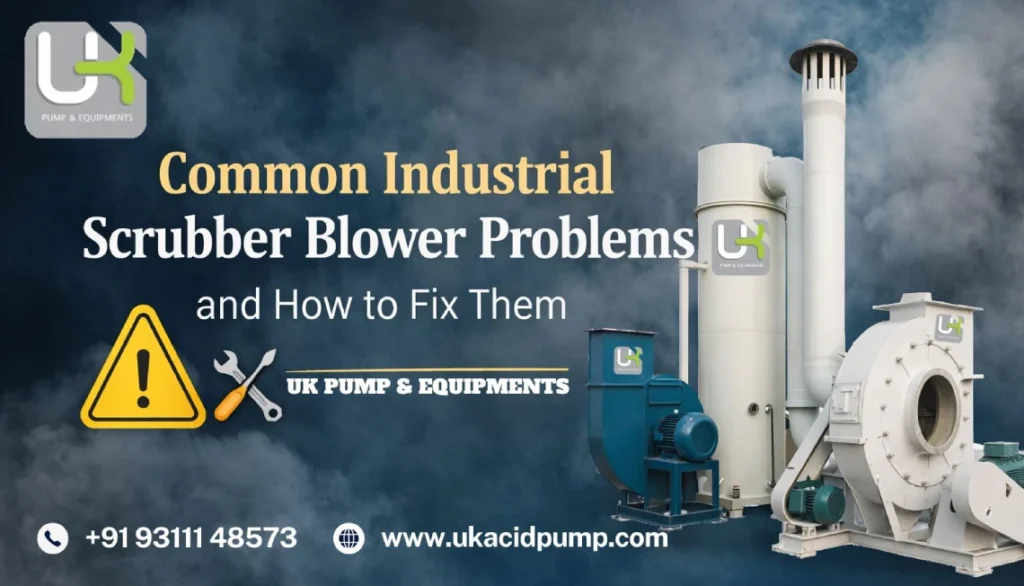
Industrial Scrubber Blowers in Ghaziabad
In the bustling industrial sector of Uttar Pradesh, clean air is a top priority. Factories must control emissions to meet strict government rules. The heart of this effort is the scrubber system, and its most vital part is the blower. If your operations depend on an Industrial Scrubber Blowers in Ghaziabad, you know downtime is not an option. A failing blower stops production and risks environmental fines. At UK PUMP & EQUIPMENTS, we have spent decades manufacturing robust solutions for pan-India clients. We see the same issues causing failures in plants every day. The good news is that most of these problems are preventable. This guide explores those common faults and provides clear, actionable fixes.
Understanding Your Scrubber Blower's Role
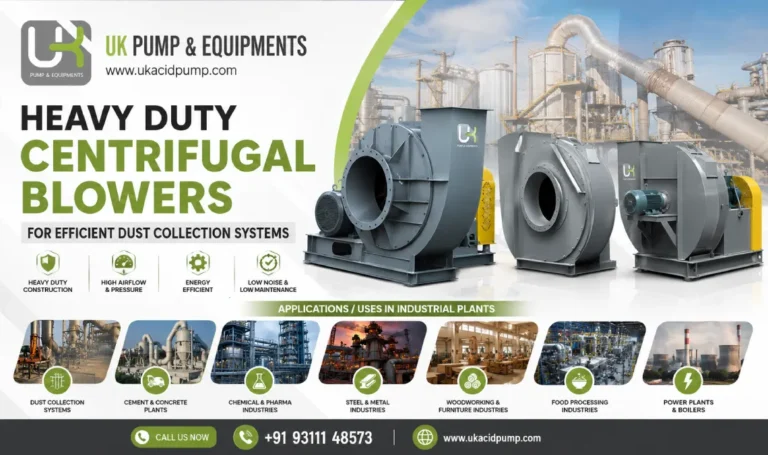
The blower is the system’s engine. It creates the pressure needed to move dirty air through the scrubber. Inside the scrubber, this air contacts a liquid or media that removes pollutants. Without consistent airflow, this chemical process simply stops. Different applications require different blower types. For example, FRP Scrubber Blowers resist corrosion from acids very well. Others might handle high temperatures or abrasive dust. Regardless of the type, the goal remains the same. You need reliable Air Pollution Control Blowers to stay compliant. When performance drops, the entire plant feels the impact.
1. Excessive Vibration and System Imbalance
A smooth-running blower is a happy blower. When you feel shaking or hear rattling, something is wrong. Vibration is a major warning sign you should never ignore.
The Root Causes:
Dirty impellers are the most common cause of vibration. In Chemical Scrubber Blowers, process dust sticks to the blades. This buildup is rarely even, so it throws the wheel off balance. Physical damage to blades is another frequent issue. Erosion from fast-moving particles can wear down metal unevenly. Finally, a loose foundation or failing bearings will let the blower move excessively. This movement amplifies any minor imbalance present in the system.
How to Fix Them:
First, inspect the impeller for dirt or damage. Schedule regular cleaning to remove any material caked on the blades. If the blades are eroded, the impeller might need professional rebalancing. In severe cases, you must replace the wheel entirely. Then, check all baseplate bolts and anchor points. Tightening a loose foundation often solves vibration issues immediately. For High Pressure Scrubber Blowers, this balance is critical for long life.
2. Bearing Failure and Overheating Issues
Bearings allow the shaft to spin freely inside the housing. They endure constant stress and friction during operation. When bearings fail, the blower seizes up completely.
Why This Happens:
Poor lubrication is the primary reason bearings die young. Many plants forget to grease their equipment regularly. In applications with Acid Fume Scrubber Blowers, another danger exists. If shaft seals wear out, corrosive gas enters the bearing housing. This contamination destroys the precision surfaces inside. Misalignment between the motor and blower also adds stress. This extra pressure causes the bearings to overheat and fail quickly.
Corrective Measures:
You must establish a strict preventive maintenance schedule. Use the correct grease and apply the proper amount. Over-greasing can cause just as much damage as under-greasing. Check the motor coupling alignment at least twice a year. Listen for grinding or rumbling noises from the bearing housings. If you hear these sounds, plan for a replacement soon. When replacing bearings in Scrubber System Blowers, use high-temperature grease. This is vital if your process involves heat or corrosive chemicals.
3. Loss of Airflow and Pressure Drop
Sometimes the blower runs, but the scrubber stops working effectively. Operators often notice the scrubber isn’t cleaning the air properly. This usually points to a loss of airflow or system pressure.
Identifying the Problem:
A drop in performance is rarely an electrical issue. It is almost always a mechanical or system blockage. The most common culprit is a clogged inlet or outlet duct. Industrial Exhaust Blowers pull moisture and dust through the system. This material builds up inside the ducts over time, restricting flow. In belt-driven units, slipping belts reduce fan speed significantly. Dampers can also vibrate closed, strangling the airflow. For Gas Scrubber Blowers, check for collapsed flexible connectors.
Restoring Performance:
Start by inspecting the drive system. Check belt tension and look for signs of wear. Belts should have the correct tension to prevent slippage. Next, walk the entire duct run and look for obstructions. Pay special attention to elbows where buildup is worst. Clean or replace any clogged inlet filters immediately. Finally, inspect the scrubber’s internal media. If the packing is clogged with sludge, the blower cannot push air through it. Cleaning the media will restore normal static pressure for your Pollution Control Blowers.
4. Corrosion and Material Degradation
Scrubber blowers operate in extremely harsh environments by design. If the blower material is wrong for the job, it will fail. The unit can literally dissolve from the inside out over time.
Common Corrosion Points:
Corrosion usually attacks the impeller first. The leading edges of the blades see the most chemical exposure. The housing near the inlet is also a common failure point. When you buy from top Wet Scrubber Manufacturers, they recommend specific alloys or FRP. However, even FRP can degrade if its protective gel coat is damaged. In metal blowers, corrosion often starts at the weld joints. If you own FRP Scrubber Blowers, watch for exposed fibers. Brittle or soft spots indicate the chemical resistance is gone.
Solutions and Prevention:
Proper material selection is the best prevention. Ensure your blower matches the exact chemicals in your exhaust stream. If corrosion has started, assess the damage level carefully. Small pits in FRP might be repairable with a special resin kit. For metal impellers, pitting creates dangerous stress points. These cracks can lead to a catastrophic failure at high speeds. In most cases, replacement with a stronger material is safest. Consider upgrading to Corrosion Resistant Scrubber Blowers made from advanced composites or alloys.
5. Motor Overload and Electrical Trips
A tripped breaker or blown fuse is a clear sign of trouble. The motor is drawing too much current for the circuit to handle. This is often a symptom of a mechanical problem, not an electrical one.
Mechanical Reasons for Electrical Failure:
The motor is designed to move a specific air volume. If the air becomes denser, the motor works harder. Cold, heavy air requires more power to move than hot air. Failing bearings create rotational resistance inside the blower. The motor pulls more amps to overcome this friction. In some Scrubber Fan Systems, incorrect wiring causes reverse rotation. A fan running backward moves air poorly but draws very high current. This quickly leads to motor overheating and failure.
Fixing the Overload:
First, verify the impeller spins in the correct direction. Check the rotation arrow on the housing against actual movement. Next, measure the system pressure and compare it to the design specifications. A hole in the duct reduces system pressure. This allows the fan to “over-airflow,” which overloads the motor. You might need to adjust a damper to add resistance. For Industrial Centrifugal Blowers for Scrubber, ensure the motor amps stay within its rated service factor.
6. Excessive Noise Generation
Noise is more than just an annoyance to your workers. It is a clear symptom of mechanical distress inside the blower. A change in sound is often the earliest warning sign.
Diagnosing the Noise:
A rhythmic “banging” sound is very serious. This usually means the impeller is hitting the housing cut-off plate. This can happen if the shaft has shifted or bearings have worn out. A high-pitched “screech” is classic bearing failure and needs immediate attention. A deep “rumbling” might mean the impeller is rubbing on the inlet cone. This can occur due to thermal expansion or misalignment. For Scrubber Air Blowers, a “surging” sound indicates unstable operation. This happens when system dampers are closed too much.
Silencing the System:
Never operate a blower making metal-to-metal contact. This can create sparks and cause a serious fire hazard. Shut the unit down immediately and investigate the cause. If the impeller is hitting the housing, realignment is necessary. You may need to add shims to raise the motor or blower. For surging issues, recalculate the system’s resistance. You may need to open dampers to keep High Pressure Scrubber Blowers stable. Also, ensure all panel covers are tight to prevent rattling.
7. Seal Leaks and Shaft Wear
Shaft seals have a critical job in a scrubber system. They keep dirty, corrosive air inside the blower housing. They also prevent this gas from reaching the bearings.
Why Seals Fail:
Mechanical seals and packing glands wear out naturally over time. They are consumable parts that require replacement. If seal cooling lines become blocked, the seal faces overheat and crack. In Chemical Scrubber Blowers, pressure fluctuations can blow out a seal instantly. Abrasive dust in the airstream also acts like sandpaper. It grinds away at the shaft surface and the seal faces. Once the shaft is grooved, standard seals cannot seal effectively.
Repair Strategies:
Regularly inspect the shaft area for any signs of leakage. Look for dust piles or chemical residue around the seal housing. If you use packing glands, a slight leak is necessary for lubrication. A completely dry packing gland will burn up and fail. If the shaft itself is worn or grooved, a new seal will not work. The new seal cannot seat against the damaged surface. You must replace the shaft or install a repair sleeve. Working with experienced Wet Scrubber Blower Manufacturers ensures you get the right parts.
The Value of Quality Manufacturing
When problems arise, the original equipment quality determines the fix. A blower built with thicker materials is easier to repair. Units with accessible bearing housings reduce maintenance time. At UK PUMP & EQUIPMENTS, we build for longevity, not just the initial sale. We are a trusted source for an Industrial Scrubber Blowers in Ghaziabad because we prioritize durability.
We understand the unique challenges of local industries. The regional climate and common chemical processes affect performance. We use high-quality resins for our FRP units to maximize corrosion resistance. We precision-balance every centrifugal wheel to minimize vibration. This proactive approach prevents many common problems before they start. We offer standard units and custom-engineered solutions alike. Our goal is reliable service with predictable, simple maintenance intervals.
Conclusion
Industrial scrubber blowers are true workhorses of environmental control. They operate in the harshest conditions imaginable. They face heat, corrosion, and heavy dust loads every single day. By understanding these common problems, you can take action early. Focus on regular inspections and proper lubrication schedules. Listen to your equipment and watch for changes in performance. These simple habits are your cheapest and most effective tools.
If your current blower is failing or beyond repair, consider an upgrade. A new, efficient unit will save money on energy and maintenance. At UK PUMP & EQUIPMENTS, we are dedicated to providing top-tier solutions. We supply a full range of Industrial Wet Scrubber Blowers for any challenge. We are also leading Wet Scrubber Blower Manufacturers serving all of India. Do not let a broken blower halt your production. Invest in quality equipment from a trusted partner. Breathe easier knowing your pollution control is handled by experts.