
Industrial Agitator Manufacturers
Industrial processes rely heavily on mixing equipment and storage solutions. You need dependable machinery for consistent output. As leading Industrial Agitator Manufacturers, we understand the value of proactive care. Regular upkeep prevents costly downtime and extends equipment lifespan. This guide provides essential maintenance advice for your agitators and FRP tanks. Following these practices ensures operational efficiency and safety.
Understanding Your Mixing Equipment
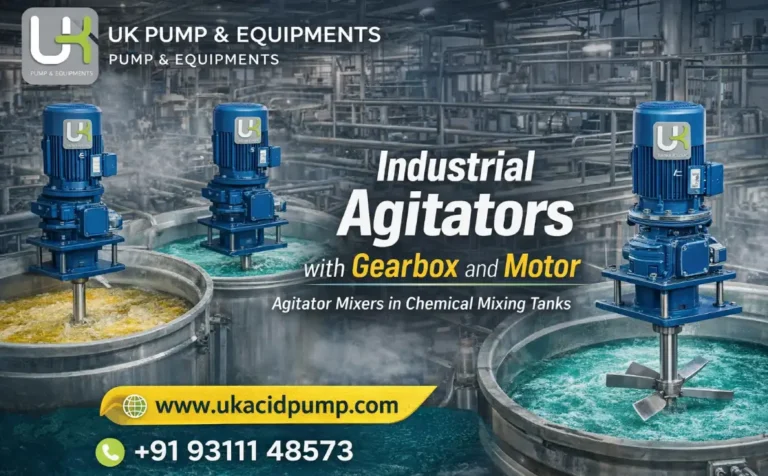
Proper maintenance begins with knowing your machinery. An industrial agitator consists of several key components. These include the drive motor, gearbox, shaft, and impeller. Each part plays a critical role in mixing. Neglecting any single component leads to performance issues. Therefore, a holistic approach to maintenance is vital.
The Importance of Routine Inspections
Scheduled inspections form the backbone of reliability. You should visually check your equipment daily. Look for unusual vibrations or noises during operation. Listen for grinding sounds from the gearbox. Feel for excessive heat on the motor casing. Early detection of these signs prevents major failures. Consequently, you avoid unplanned production stops.
Agitator Maintenance Fundamentals
Mechanical agitators face constant stress during operation. Torque and friction affect moving parts over time. Implementing a structured maintenance plan is non-negotiable. This plan should include lubrication, alignment checks, and seal inspections. As trusted Industrial Agitator Manufacturers, we recommend following OEM guidelines closely.
Lubrication and Bearing Care
Bearings require proper lubrication to function smoothly. Insufficient grease causes friction and heat buildup. Conversely, over-lubrication can blow out seals. Use the recommended grade of lubricant for your unit. Establish a regular greasing schedule based on operating hours. Check for contamination in the lubricant. Dirty grease indicates worn bearings or failed seals.
Gearbox and Drive Maintenance
The gearbox reduces motor speed and increases torque. It contains precision gears that need clean oil. Monitor the gearbox oil level regularly. Look for any signs of leakage around seals and gaskets. Change the oil at intervals specified by the manufacturer. Inspect the drive coupling for wear or misalignment. A misaligned coupling transmits damaging vibration to the shaft.
Seal and Stuffing Box Checks
Shaft seals prevent product leakage from the vessel. Mechanical seals are precision devices requiring careful handling. Ensure the seal flush system is working correctly. For packed glands, check for slight leakage for lubrication. Adjust the gland follower if leakage is excessive. Never run a mechanical seal dry, even for a moment. This action causes immediate and catastrophic failure.
Impeller and Shaft Integrity
The impeller does the actual work of mixing. Over time, impeller blades can corrode or erode. Inspect blades for thinning, pitting, or cracks. Check that all fasteners securing the impeller are tight. A loose impeller creates imbalance and damages the shaft. Examine the shaft for straightness and wear at the stuffing box.
FRP Tank Maintenance Protocols
FRP tanks offer excellent corrosion resistance. However, they are not indestructible. Proper care preserves their structural integrity. Many FRP Agitator Tank Manufacturers design these vessels for specific chemicals. Using them outside these parameters invites damage. Regular inspection helps identify problems before they worsen.
Visual Inspection for Surface Damage
Walk around your FRP tank regularly. Look for signs of impact damage or stress cracks. The exterior should appear smooth and consistent. Watch for any areas where the surface looks dull or chalky. This condition, known as fiber bloom, indicates resin degradation. Check for blistering or delamination on the inner surface if accessible.
Managing Chemical Exposure
FRP resins resist specific chemical environments. Verify that the stored chemical concentration hasn’t changed. Temperature fluctuations also affect resin performance. Avoid exposing the tank exterior to harsh solvents or spills. Clean up chemical drips on the outer surface immediately. These spills can attack the resin matrix over time.
Preventing Mechanical Damage
FRP is strong but can be brittle under point impact. Prevent tools or equipment from striking the tank wall. Use caution when working on platforms near the tank. Inspect supports and saddles for signs of settling. Uneven support stresses the tank structure. Ensure piping connections are flexible to accommodate movement.
UV Protection and Weathering
Outdoor tanks require protection from sunlight. Ultraviolet radiation degrades the resin surface. Most tanks have a UV-inhibited top coat. Inspect this coating for signs of wear. Repaint or apply protective coatings as needed. This practice prevents the underlying glass fibers from being exposed.
Synergistic Maintenance for Agitator-Tank Systems
The agitator and tank function as one system. Maintenance must consider their interaction. Vibration from the agitator stresses the tank. Similarly, tank distortion affects agitator alignment. Therefore, coordinate your inspections for both components.
Monitoring Vibration Levels
Excessive vibration is a primary warning sign. It indicates problems with the agitator or the tank. Check mounting flanges and nozzles for cracks. The agitator must be securely mounted to a stable structure. Baffles inside the tank should also be inspected. Loose baffles create noise and reduce mixing efficiency.
Cleaning and Flushing Procedures
Residue buildup affects both performance and hygiene. Establish proper cleaning protocols between batches. Ensure cleaning fluids reach all areas inside the tank. Verify that the agitator can run during cleaning cycles. Remove any product buildup from the agitator shaft. Caked material throws the rotating assembly out of balance.
Safety Considerations During Maintenance
Safety must always be the top priority. Follow strict lockout/tagout procedures before any work. Never enter a tank without proper confined space protocols. Ensure the atmosphere is safe and rescue equipment is ready. Use appropriate personal protective equipment at all times.
Lockout/Tagout Procedures
Isolate all energy sources before starting maintenance. This includes electrical power to the motor. Lock the disconnect switch in the off position. Place a tag on the lock identifying the worker. Verify the isolation by attempting to start the equipment. This simple step saves lives.
Confined Space Entry
An FRP Tank is a classic confined space. Entry requires permits, trained attendants, and testing. Test for oxygen content and toxic vapors first. Wear a harness and lifeline attached to a retrieval system. Never work alone inside a tank. Continuous communication with attendants is essential.
Planning for Long-Term Reliability
Effective maintenance is proactive, not reactive. Use your inspection data to predict future needs. Keep detailed logs of all maintenance activities. These records help identify recurring problems. They also provide data for budgeting future repairs.
Spare Parts Inventory
Maintain a stock of critical spare parts. This includes seals, bearings, and gaskets. Having parts on hand minimizes downtime. Consult with FRP Agitator Tank Manufacturers for recommended spares. Store these components properly to prevent deterioration.
Professional Service Partnerships
Sometimes, problems exceed in-house capabilities. Establish relationships with service professionals. They can perform non-destructive testing on FRP tanks. They can also recondition worn agitator shafts. Professional assessments provide peace of mind. They ensure your equipment meets industry standards.
Conclusion
Diligent maintenance protects your investment in mixing technology. It ensures that your processes run smoothly and safely. By focusing on both the agitator and the FRP tank, you achieve system-wide reliability. Remember that small issues, when ignored, become major expenses. Implement these tips to keep your operation running at peak performance. Your choice of equipment from reputable Industrial Agitator Manufacturers provides a strong foundation. Your maintenance practices build upon that foundation for lasting success. The same care applies when sourcing from leading FRP Tank Manufacturers. A Chemical Mixing Stirrer performs best in a well-maintained vessel. Commit to regular care today for trouble-free operation tomorrow.